Causes of Window Condensation
01 | What Is Glass Condensation?
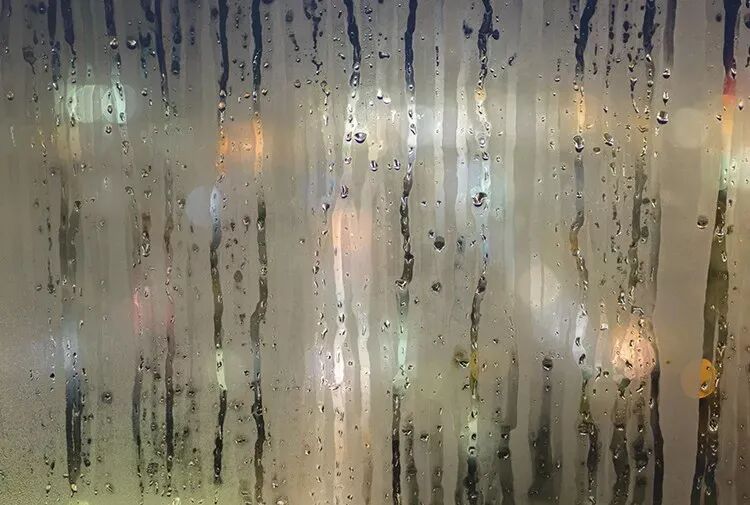
Glass surface condensation is a common physical phenomenon.It occurs based on a simple scientific principle: when warm indoor air comes into contact with a colder glass surface, the moisture contained in the air condenses into small water droplets on the glass.
During winter, indoor environments are usually kept warm, while outdoor temperatures remain low. This temperature difference causes the glass to act as a heat transfer boundary between the interior and exterior.
As heat moves from the warm indoor space toward the colder outdoors, the surface temperature of the glass decreases. Once the glass surface temperature drops below the air’s dew point, condensation forms, creating visible water droplets on the glass.
02 | Why Window Glass Condensation Occurs
Traditional windows and doors are more prone to condensation mainly due to two key factors related to thermal performance.
First, the glass used in conventional window systems often provides insufficient thermal insulation. As a result, the indoor-side surface temperature of the glass drops significantly during cold weather, creating favorable conditions for condensation to form.
Second, thermal bridging commonly occurs at the junction between the window frame and the glass edge. These weak points allow heat to escape more rapidly, accelerating heat loss and further reducing local surface
temperatures.
When surface temperatures fall below the dew point of the indoor air, moisture condenses on the glass, making traditional window systems particularly susceptible to condensation problems.
Alpes System Windows & Doors: Condensation Solutions
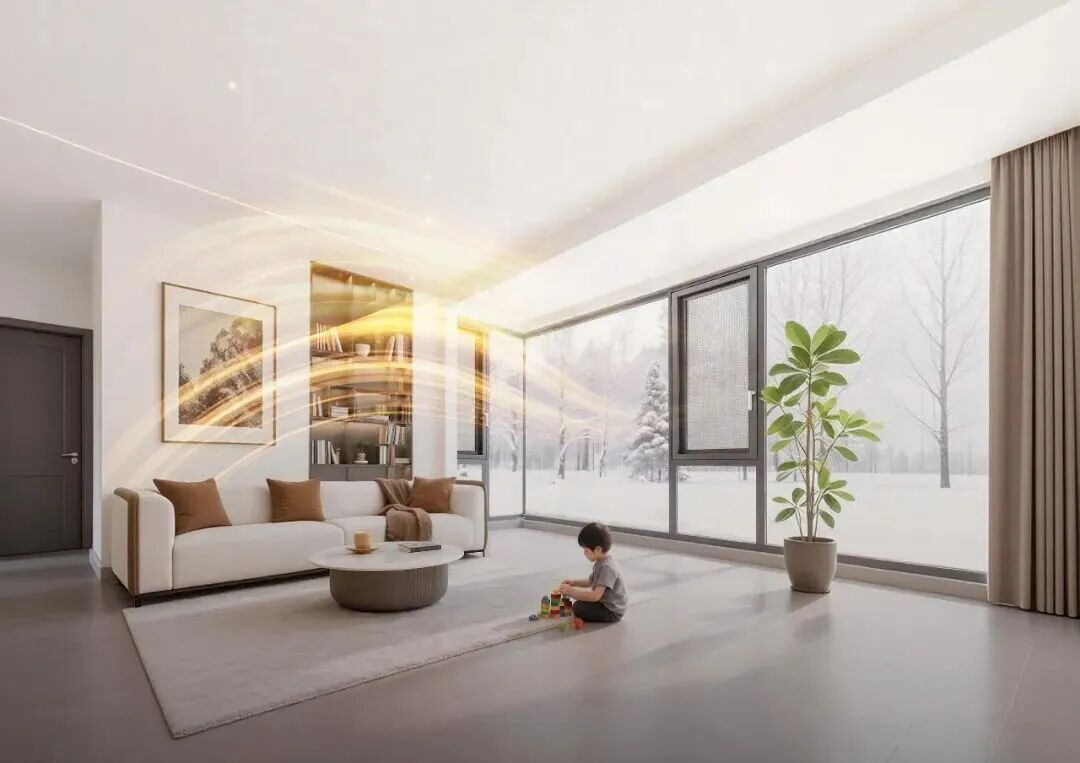
To address the common issue of window condensation during winter, Alpes System Windows & Doors applies systematic technological innovations. By improving overall thermal performance from multiple dimensions,
condensation formation is significantly reduced.
Glass Area Solutions
All Alpes products come standard with argon-filled insulated tempered glass certified under China’s national 3C safety standards. Argon, as an inert gas, has a much lower thermal conductivity than regular air, which improves the thermal resistance of the glass. This increases the indoor-side surface temperature at the center of the glass, reducing the likelihood of moisture condensation.
For the weakest area in traditional windows—the glass edges—Alpes provides multiple advanced solutions. Some product lines can be upgraded for free to rigid warm edge spacers, made of low-thermal-conductivity composite materials, effectively improving edge insulation performance.
Additionally, Alpes has established a strategic partnership with Fenzi Group, a world-leading Italian glass chemical technology company, to introduce their core flexible warm edge technology. This enhances edge sealing adaptability and long-term thermal performance.
Both solutions significantly improve glass edge temperatures, effectively reducing condensation at window corners and edges during winter.
Whole-Window System Optimization
Beyond glass improvements, Alpes focuses on the systematic optimization of the entire window. Using high-precision aluminum profiles with multi-chamber designs and multiple sealing layers,
the structural design minimizes heat loss.
Selected high-quality hardware and accessories ensure excellent long-term sealing, helping to control indoor humidity and reducing the conditions for condensation at the source.

Daily Maintenance Guide
Daily Tips for Reducing Window Condensation
In addition to relying on the superior performance of Alpes windows and doors, simple daily habits can effectively help reduce condensation:
Ventilate your space for 10-15 minutes daily, especially after cooking or bathing, to lower indoor humidity.
Wipe off any minor condensation promptly using a soft, dry cloth to prevent water streaks.
Ensure curtains are at a proper distance from the window to avoid blocking heat transfer to the glass surface.
















