

Glass makes up the majority of window and door surfaces and serves as the main channel for heat transfer. Choosing the right configuration is key to keeping warmth inside your home.
Here are 4 glass details you must pay attention to:
Common types of insulated glass cavities include single-pane, laminated glass, and triple-glass double-cavity structures. In terms of insulation performance, they can generally be ranked as follows:
Laminated Glass < Double-pane Insulated Glass < Laminated Insulated Glass < Triple-pane Double-cavity Glass
The triple-pane double-cavity glass has an extra air chamber compared to standard insulated glass, providing superior thermal performance. It is especially suitable for extremely cold regions.
Filling insulated glass with inert gases like argon can greatly improve thermal insulation. Argon molecules are heavier and less mobile than air, with a much lower thermal conductivity. This slows down heat convection inside the glass cavity, enhances insulation, and reduces the risk of glass deformation caused by temperature differences.
For example, Alpes System Windows & Doors include argon gas filling as a standard feature, providing users with a more stable and reliable insulation experience.

Low-E glass can reflect heat, but the coating position should be adjusted according to the region:
✔ In southern regions, focus on heat insulation. The Low-E coating should be applied on the exterior side to reflect solar radiation.
✔ In northern regions, focus on heat retention. The Low-E coating is recommended on the interior side to prevent indoor heat from escaping.
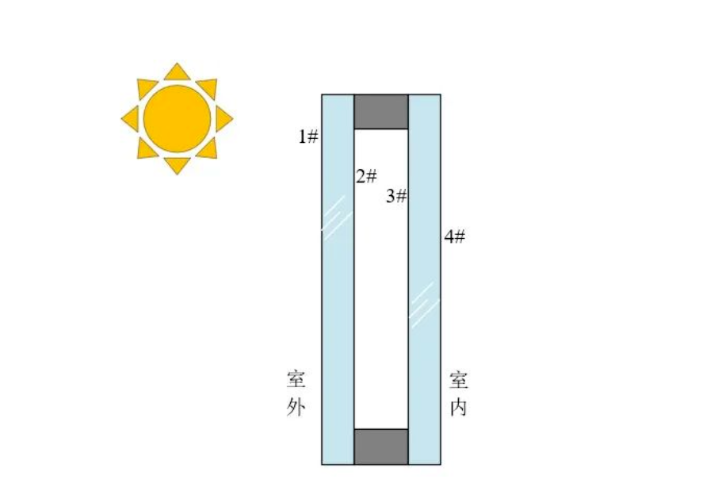
Warm-edge spacers are made from materials with lower thermal conductivity than traditional aluminum spacers, usually from composite materials or stainless steel. They support insulated glass and keep it dry, effectively blocking heat transfer between indoors and outdoors, reducing the window's overall U-value, and minimizing condensation.
To enhance window performance and improve home comfort, Alpes System Windows & Doors offer free upgrades to rigid warm-edge spacers on some products, further boosting insulation efficiency.
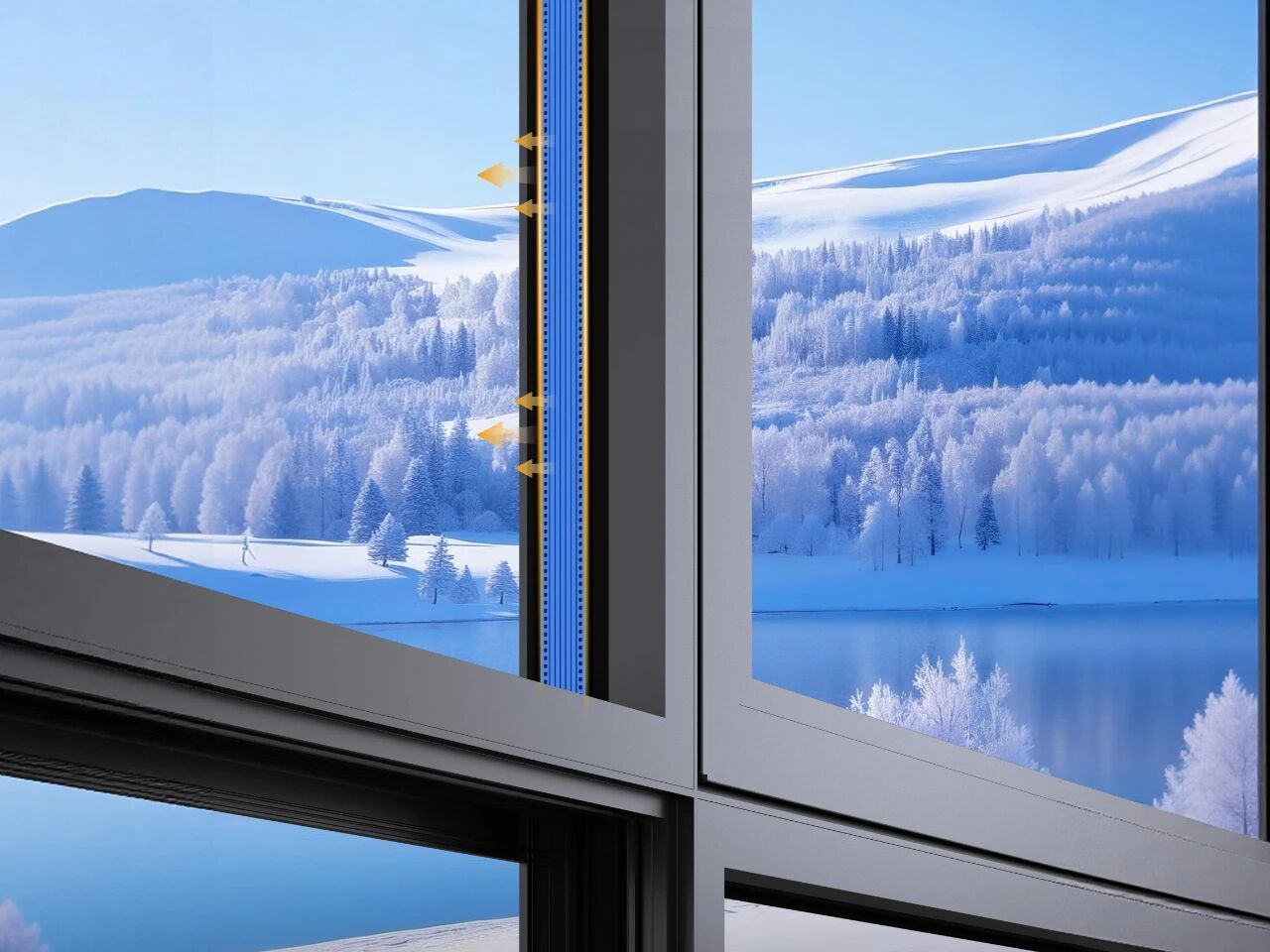
Multiple sealing layers are key to maintaining insulation and preventing drafts.
The sealing gaskets of doors and windows directly affect air tightness and thermal performance. Modern system windows typically use a three-layer sealing structure:
• Dust-proof gasket on the exterior side of the sash
• Equal-pressure gasket in the middle
• Interior sealing gasket on the indoor side
Together, these form a tight protective barrier against cold air and heat loss.
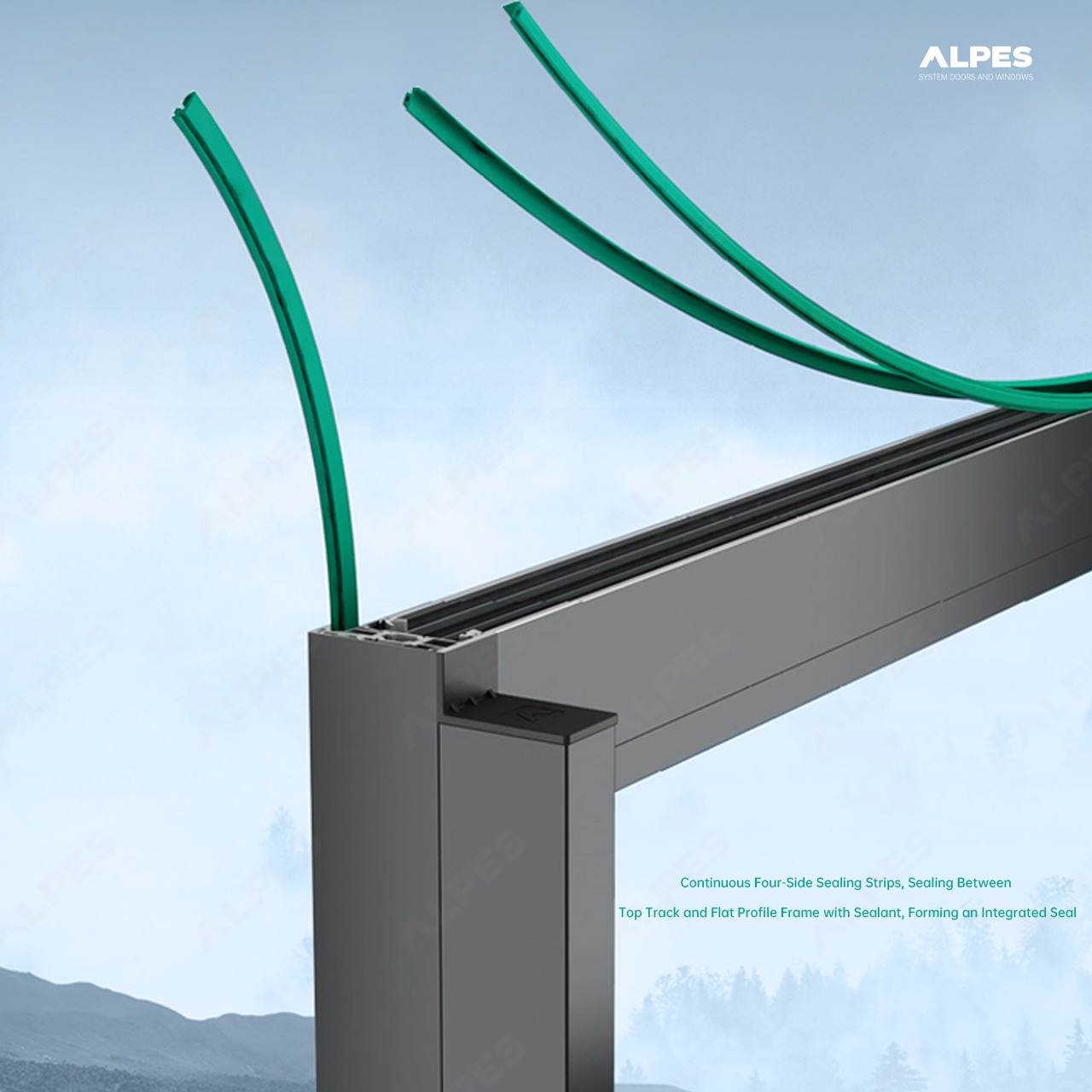
For materials, EPDM (ethylene propylene diene monomer) rubber is the preferred choice. It offers excellent high- and low-temperature resistance, anti-aging properties, and elasticity, and is widely used in automobiles and high-end doors and windows.
As a leading brand in the system window industry, Alpes System Windows & Doors combine multi-chamber profiles with multi-layer sealing design. Paired with microwave-vulcanized seamless gaskets, they enhance the overall frame sealing, improving durability and airtightness.
Choosing the right thermal break is essential for effective insulation.
The thermal break acts as a “bridge” connecting the inner and outer aluminum profiles, and its material directly impacts insulation performance. The main materials on the market are PA66 and PVC:
• PA66 thermal breaks: high temperature resistance, anti-aging, and stable — the top choice for insulated doors and windows.
• PVC thermal breaks: prone to aging and deformation, with significantly reduced long-term performance.
When purchasing, choose PA66 to ensure long-lasting thermal insulation.
Key installation points to ensure optimal insulation:
Fill the space between the window frame and wall with foam. After it cures, trim it flush and apply a slightly expanding sealant to prevent wind and rain infiltration.
Before installation, clean the window opening and level it properly to ensure the frame is installed evenly and seals tightly.
Pay attention to details such as whether the sealant application is continuous and even, and whether screws are properly secured.














