

Looking for Energy-Efficient Aluminum Windows?
Get a customized window solution based on your climate, building type, and project requirements.
Email: jennifer@alpesvip.com
Project Consultation Available
When selecting windows for homes and buildings in hot climate regions such as the Middle East, Australia, Southeast Asia, or the Southern United States, appearance is often the first consideration. However, the right window system can significantly improve indoor comfort, reduce energy consumption, and lower long-term operating costs.
So, how do you choose the right aluminum windows for hot weather conditions?
Here are the key factors to consider.
One of the biggest challenges in hot climates is heat transfer through window frames.
Standard aluminum frames conduct heat quickly, allowing outdoor temperatures to affect indoor comfort and increasing the workload on air conditioning systems.
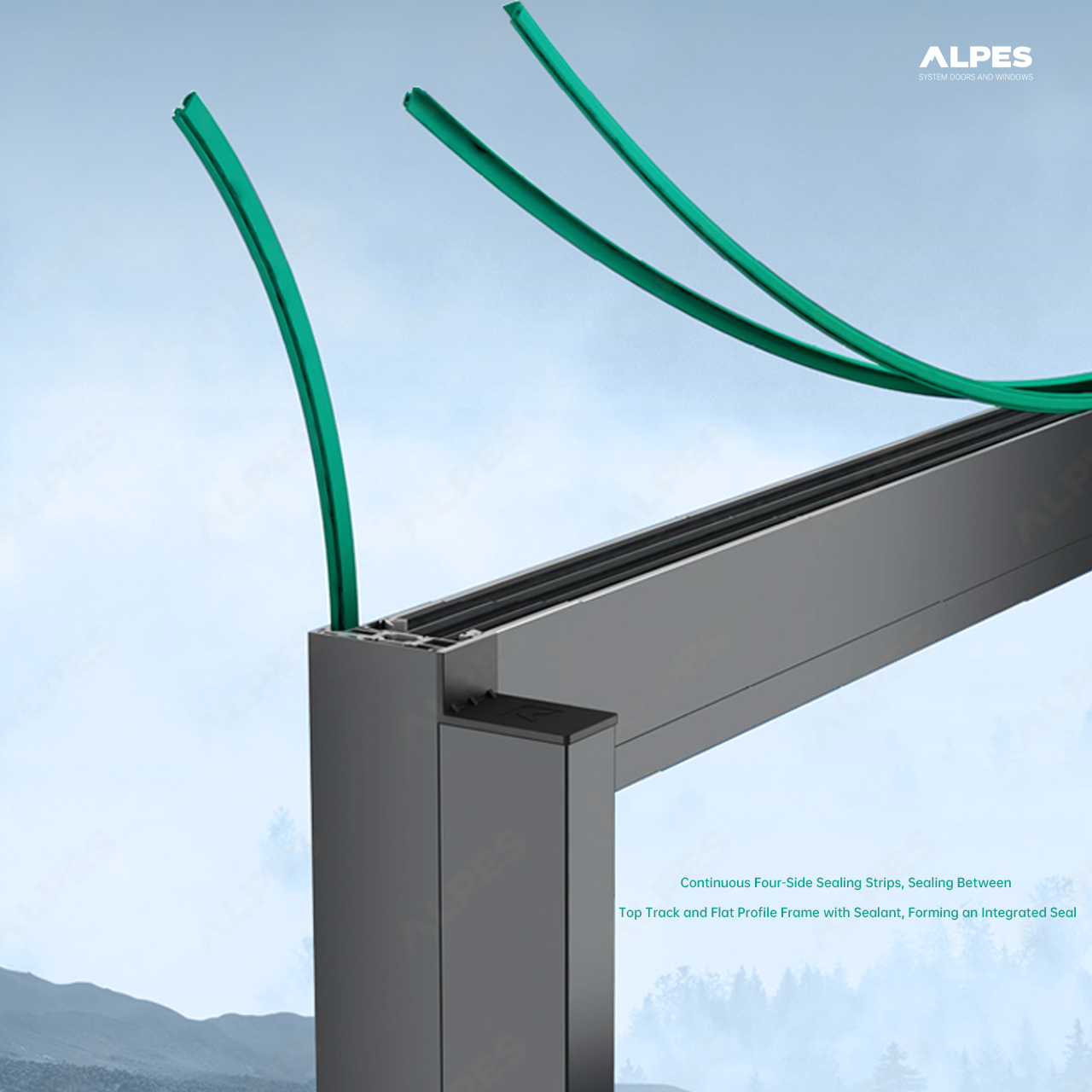
Thermal break aluminum windows incorporate an insulating barrier between the interior and exterior aluminum profiles, dramatically reducing heat transfer.
Key Benefits:
• Better indoor temperature control
• Lower energy consumption
• Improved year-round comfort
• Reduced cooling costs
For regions with long, hot summers, thermal break systems are often considered a necessity rather than a luxury.
Glass occupies the largest area of any window system and plays a critical role in thermal performance.
For hot climate applications, consider:
• Double-glazed insulated glass
• Low-E coated glass
• Solar control glass
• Laminated glass for additional comfort and safety
These configurations help reduce solar heat gain while maintaining excellent natural daylight.
Window style has a direct impact on overall performance.
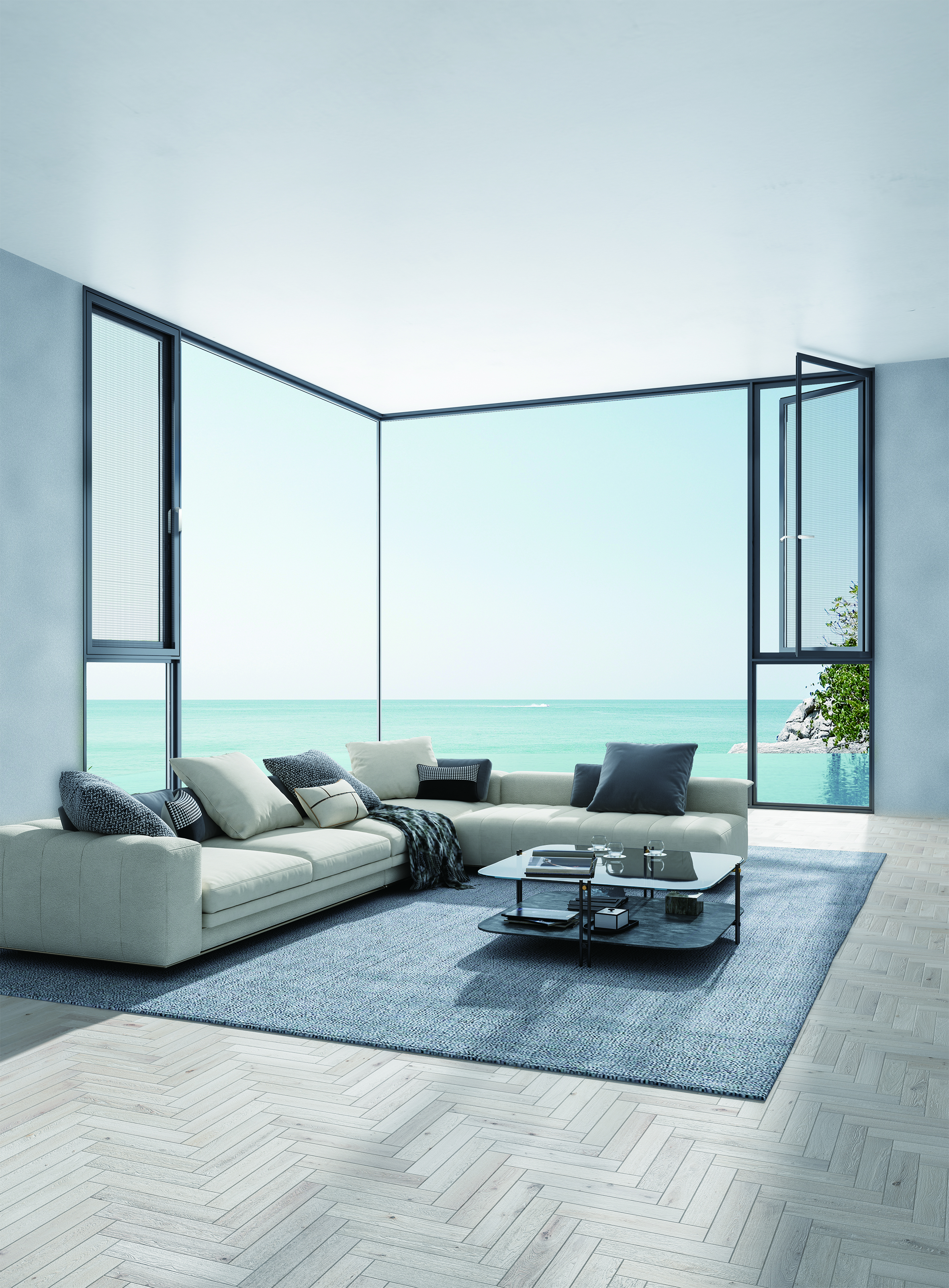
Casement windows generally provide a tighter seal than sliding windows because the sash presses firmly against the frame when closed.
Advantages Include:
• Better thermal insulation
• Enhanced weather resistance
• Reduced dust infiltration
• Improved acoustic performance
This makes casement windows an excellent choice for villas, coastal properties, and desert-region projects.
Many hot climate regions also experience strong seasonal winds, storms, or sandstorms.
A high-quality aluminum window system should include:
• Reinforced aluminum profiles
• Multi-point locking systems
• Premium hardware components
• Strong structural integrity
Professionally engineered systems provide greater safety, reliability, and long-term performance.
Aluminum windows remain one of the most popular choices worldwide because of their durability and low maintenance requirements.
Key Advantages:
• Corrosion resistance
• Minimal maintenance
• Excellent structural strength
• Long service life
Powder-coated and fluorocarbon-coated finishes provide additional protection, especially in coastal environments exposed to salt and humidity.
While every project is unique, the most effective solution for hot climate regions typically includes:
• Thermal break aluminum frames
• Double-glazed Low-E glass
• Multi-point locking systems
• High-performance casement or tilt-and-turn windows
This combination delivers superior comfort, improved energy efficiency, and lower long-term operating costs.
Choosing aluminum windows is about more than appearance. Climate conditions should always be a major factor in the decision-making process.
A properly designed window system can improve comfort, enhance energy efficiency, and increase the overall value of your property.
At ALPES, we specialize in high-performance aluminum window systems engineered for different climate zones and project requirements worldwide.
Whether you are building a new villa, renovating an existing home, or developing a commercial project, selecting the right window system from the beginning can make a lasting difference.
Request a Free Project Consultation
Need help selecting the best aluminum windows for your climate and project requirements?
Contact ALPES today for customized recommendations and quotation support.














